
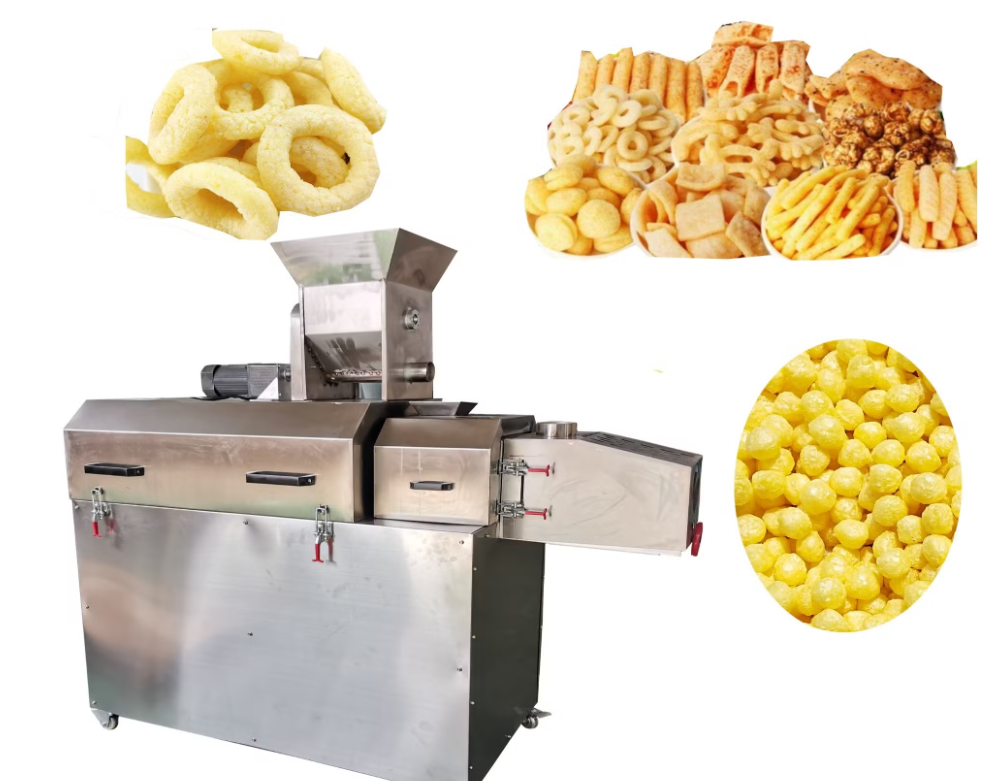
Consumer demand for convenient, tasty food options is growing rapidly across the globe. To meet this massive surge, manufacturers need robust, efficient, and highly scalable food processing equipment. Modern snack production systems are the critical backbone of this operation, turning raw ingredients into packaged goods with incredible speed.
At the core of these operations is snacks machinery, which dictates product quality, overall production efficiency, and ultimate profitability. Whether you are scaling up a regional brand or optimizing a massive global facility, understanding how automated food production works is vital. This guide explores the sophisticated equipment that powers the industry, breaking down the essential components, safety standards, and emerging trends every engineer and plant manager needs to know.
What Is Snacks Machinery and Why Is It Important?
At its core, snacks machinery refers to the specialized industrial equipment used to process, cook, season, and package snack foods. This broad category includes everything from potato chips and extruded puffs to roasted nuts and baked goods. Without these advanced snack manufacturing machines, producing uniform, high-quality products at a commercial scale would be completely impossible.
This equipment is critical because it directly impacts your bottom line and market competitiveness. Industrial snack processing setups ensure perfect consistency in flavor, texture, and visual appearance across millions of units.
Additionally, precision equipment drastically reduces raw material waste and operational labor costs. By investing in the right technology, food producers can scale their operations quickly. This allows them to maintain the strict quality controls that both modern consumers and regulatory agencies demand.
Key Components of a Modern Snack Production Line
A standard snack production line moves raw materials through a precise, multi-step journey. Each stage relies on specific automation systems to keep the process flowing smoothly from start to finish.
- Mixing and Preparation: Raw ingredients like flour, water, and spices are blended into a uniform dough or batter. Precision here prevents texture issues down the line.
- Forming and Shaping: The mixture passes through industrial extruders or sheeters to create the exact desired product shape, from simple chips to complex twists.
- Cooking (Frying or Baking): Products enter continuous fryers or industrial ovens. This crucial step locks in the crunch, develops flavor, and removes excess moisture.
- Seasoning: Advanced conveyor systems move the cooked snacks into rotating seasoning drums where dry or wet flavors are applied evenly.
- Packaging: Finally, the finished product reaches the packaging technology station. Here, snacks are weighed, sealed in protective bags, and prepared for shipping.
This seamless flow reduces human handling, massively speeds up output, and minimizes the risk of cross-contamination.
Types of Snacks Machinery Used in the Industry
Building a highly efficient manufacturing facility requires a specific mix of specialized tools. Here are the primary types of machines you will find in top-tier production environments:
- Industrial Mixers: These high-torque machines ensure uniform blending of dry and wet ingredients. A consistent dough is the foundation of any great snack.
- Extruders: Used heavily for puffed snacks, these machines use precise heat and intense pressure to shape and cook the product simultaneously.
- Continuous Fryers and Ovens: Designed for high-volume cooking, these massive units maintain exact temperature control to guarantee an even cook on every piece.
- Seasoning Applicators: These tumbling drums or electrostatic systems coat snacks with exact amounts of flavoring, significantly reducing costly ingredient waste.
- Conveyor Systems: Essential for moving products safely between processing stages. They keep the line moving continuously without human intervention or product damage.
- Packaging Systems for Snacks: These include multi-head weighers and vertical form-fill-seal machines. They quickly portion and bag the product while injecting nitrogen to maintain long-term freshness.
How Automation Improves Snack Manufacturing Efficiency
Upgrading to automated food production systems offers massive advantages for competitive manufacturers. The most immediate and noticeable benefit is a dramatic increase in production speed. Automated lines run continuously, producing thousands of pounds of snacks per hour with minimal downtime.
Automation also guarantees unmatched product consistency. Machines apply the exact same amount of heat, pressure, and seasoning to every single batch. This eliminates costly human error and ensures that every single bag meets your brand’s exacting standards.
Furthermore, automation vastly reduces reliance on manual labor. Instead of staffing a large floor of machine operators, you can run an entire line with just a few skilled technicians. This operational shift lowers overhead costs and significantly improves your overall return on investment over the lifespan of the equipment.
Factors to Consider When Choosing Snacks Machinery
Selecting the right equipment is a major capital investment for any business. You must carefully evaluate several critical factors before making a purchasing decision.
- Cost vs. ROI: Look beyond the initial purchase price. Calculate the long-term savings in labor, energy efficiency, and reduced waste to determine your true return on investment.
- Scalability: Choose equipment that can easily grow with your business. Modular systems allow you to add production capacity without replacing the entire processing line.
- Material and Build Quality: High-grade stainless steel construction is non-negotiable. It prevents rust, withstands harsh industrial cleaning chemicals, and ensures equipment longevity.
- Flexibility: Can the machine handle different product lines? Quick changeover capabilities allow you to produce multiple snack types on the exact same line.
- Maintenance: Opt for machines with easy-to-access parts and clear documentation. Simple maintenance routines reduce costly downtime and keep production running smoothly.
Food Safety and Quality Standards in Snack Production
Food safety is the absolute highest priority in industrial snack processing. Modern machinery is specifically designed to help manufacturers meet strict regulatory requirements and protect end consumers.
Equipment must be fully compatible with HACCP (Hazard Analysis Critical Control Point) frameworks. This means machines are built with hygienic design principles, featuring smooth surfaces and minimal crevices where dangerous bacteria can hide. Clean-in-place automation systems allow for thorough, chemical sanitation without completely disassembling the production line.
Advanced quality control systems are also integrated directly into the machinery. Metal detectors, X-ray scanners, and automated visual inspection tools constantly monitor the product stream. These systems instantly reject any items that do not meet safety or quality standards, ensuring only perfect items reach the packaging systems for snacks.
Emerging Trends in Snack Production Technology
The food processing equipment industry is constantly evolving to solve new challenges. Manufacturers are rapidly adopting new technologies to stay competitive and meet changing consumer demands.
One major trend is the deep integration of advanced PLC (Programmable Logic Controller) systems. A modern PLC allows operators to monitor the entire production line from a single, centralized digital interface. This enables real-time data tracking, predictive maintenance alerts, and instant mechanical troubleshooting.
Sustainability is another massive driving force in machinery design. New continuous fryers use significantly less oil and capture waste heat to warm incoming water, drastically reducing overall energy consumption.
Additionally, artificial intelligence is making its way into modern quality control systems. AI-powered cameras can now detect microscopic defects in shape or color, pushing the boundaries of automated food production even further.
Conclusion
Navigating the fast-paced world of food manufacturing requires the right tools, deep industry knowledge, and smart operational strategies. As consumer appetites grow, upgrading your facility with modern snack production systems is no longer optional; it is a strict necessity for business survival.
From high-speed extruders to advanced packaging technology, the right equipment guarantees consistency, safety, and profitability. By carefully selecting top-tier snacks machinery, you empower your business to scale efficiently and meet strict global industry standards. Whether you are focused on improving hygiene through strict HACCP compliance or boosting output via smart PLCs, investing in automated processing equipment is the smartest way to secure your company’s future in the competitive snack market.