

Consumer packaged goods live or die on small details. Two products can have the same ingredients, same price, even similar branding.
One moves quickly off shelves or gets repeat online orders, the other sits unnoticed. The difference is often packaging.
For CPG brands, packaging is not just protection. It’s communication. Before a customer reads a description or checks a label, they react to what they see and hold in their hands.
Why Packaging Matters More Than Ever
Buying habits have changed. Many customers first meet a product through social media or online marketplaces. They don’t have a store display to guide them. The package itself becomes the shelf, the salesperson, and the advertisement at the same time.
If the packaging feels cheap or inconsistent, buyers assume the product quality matches.
If the packaging looks intentional and clean, trust builds instantly.
That’s why many emerging brands now rely on custom packaging rather than generic stock boxes. It allows even small companies to present themselves like established brands.
Boxes Are Only the Beginning
CPG products come in many forms. Dry snacks, cosmetics, supplements, coffee, and household items all require different packaging solutions. A single standard box cannot solve every need.
Brands typically choose from:
Folding cartons
Common for retail shelves. Lightweight, printable, and ideal for cosmetics, supplements, and food items.
Rigid boxes
Used for premium positioning. Often chosen for gift sets, electronics accessories, and luxury personal care items.
Flexible pouches
Great for snacks, powders, and refill products. They reduce shipping weight and storage space.
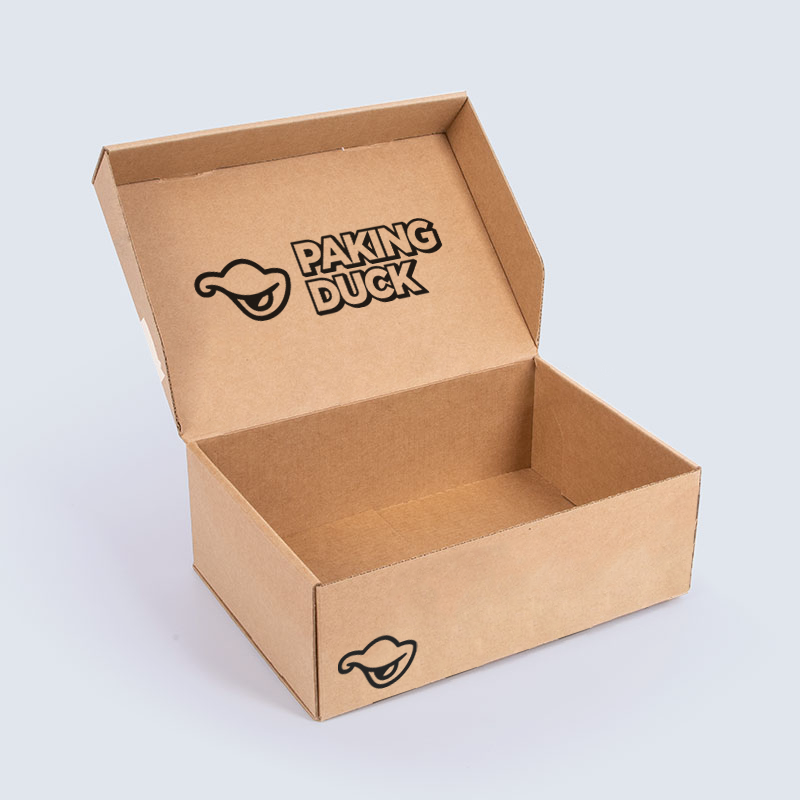
Mailer packaging
Designed for direct-to-consumer shipments. Protects items during transit while still presenting a branded experience.
Each type plays a different role depending on whether the product is shipped, displayed, or gifted.
Protection and Cost Go Together
Many new CPG brands underestimate how much packaging affects operations. A poorly sized package increases breakage and returns. Oversized packaging increases shipping charges. Weak material increases customer complaints.
Proper packaging does three important things:
- Holds the product firmly so it does not move
- Uses the right material thickness for transport
- Matches the courier dimensional pricing
When these are balanced, businesses often reduce both returns and delivery costs at the same time.
Packaging as a Silent Marketing Tool
Advertising stops when the ad budget stops. Packaging keeps working after delivery.
Customers often:
- photograph their orders
- share unboxing videos
- recommend products to friends
- remember brands based on presentation
A simple insert card, a consistent color palette, or a recognizable logo can turn one purchase into repeat orders. For growing CPG brands, repeat buyers matter more than first-time buyers.
Consistency Builds Brand Trust
Consistency is where many small brands struggle. Early on, they buy packaging from Paking Duck and multiple local suppliers depending on availability. Over time the brand starts to look different from shipment to shipment.
Customers notice small differences:
- slightly different colors
- logos printed off-center
- varying box sizes
It creates doubt. Reliable packaging keeps the brand identity stable across every order, which quietly increases customer confidence.
Bottom Line
CPG brands compete in crowded markets. Quality products alone are no longer enough. Buyers judge reliability before they ever try what’s inside.
Packaging is the first proof that a company takes its product seriously. When done properly, it protects goods, controls shipping costs, and becomes ongoing marketing without recurring ad spend.
In simple terms, packaging is no longer an accessory to the product.
It has become part of the product experience itself.