

Ever heard a term and thought, “What on Earth does that mean?” Welcome to the club. Today, we’re diving into the intriguing realm of ficulitotemporal, a concept that’s not just a tongue twister but also a cornerstone for those of us wandering through the realms of cognitive science. Grab your metaphorical lab coats, this might get fun.
Ficulititotemporal

Ficulitotemporal is a term that might sound like a spell from Hogwarts, but it actually refers to a specific cognitive process that integrates temporal and spatial elements of our experiences and understanding. This word combines aspects of spatial cognition and temporal perception, making it a unique concept worth exploring. The origins of this term can be traced back to studies in cognitive science that examine how we perceive and make sense of time and space simultaneously. Researchers have long pondered how our brains organize information and memories based on both where we are and when events occur. It’s a complex dance, but a beautiful one.
Importance in Cognitive Science
Understanding ficulitotemporal processes is like discovering the cheat code to how we interpret the world around us. In cognitive science, these processes are crucial for various tasks, from memory retrieval to problem-solving. Our ability to navigate through life hinges on grasping concepts related to time and space. Imagine you’re throwing a ball: our brain calculates not only where the ball needs to go but also when it should reach its target. This multi-dimensional understanding restructures how we learn and interact with our environment, emphasizing the significance of studying ficulitotemporal dynamics.
Applications in Modern Research
Where does ficulitotemporal research take us today? Let’s explore some cutting-edge applications. In neuroscience, studies on ficulitotemporal functions are shedding light on how our brains process disorders related to memory, such as Alzheimer’s. By decoding these processes, researchers are better equipped to create therapies tailored for individuals struggling with cognitive decline. Also, fields like virtual reality (VR) use ficulitotemporal insights to design immersive experiences that align with our natural perception of space and time. This allows us to step into worlds far from our own while still feeling grounded in our reality.
Challenges and Limitations
As with any area of study, ficulitotemporal research isn’t all rainbows and butterflies. One of the primary challenges we face is the complexity of isolating these processes in experimental settings. Our brains don’t operate in a vacuum: multiple factors influence cognition simultaneously, making it difficult to draw clear conclusions. Also, the terminology itself poses a hurdle. Researchers need to communicate findings in accessible ways, which can often get lost in technical jargon. Striking a balance between precision and clarity remains an ongoing concern in the field.
Future Directions in Ficulitotemporal Studies
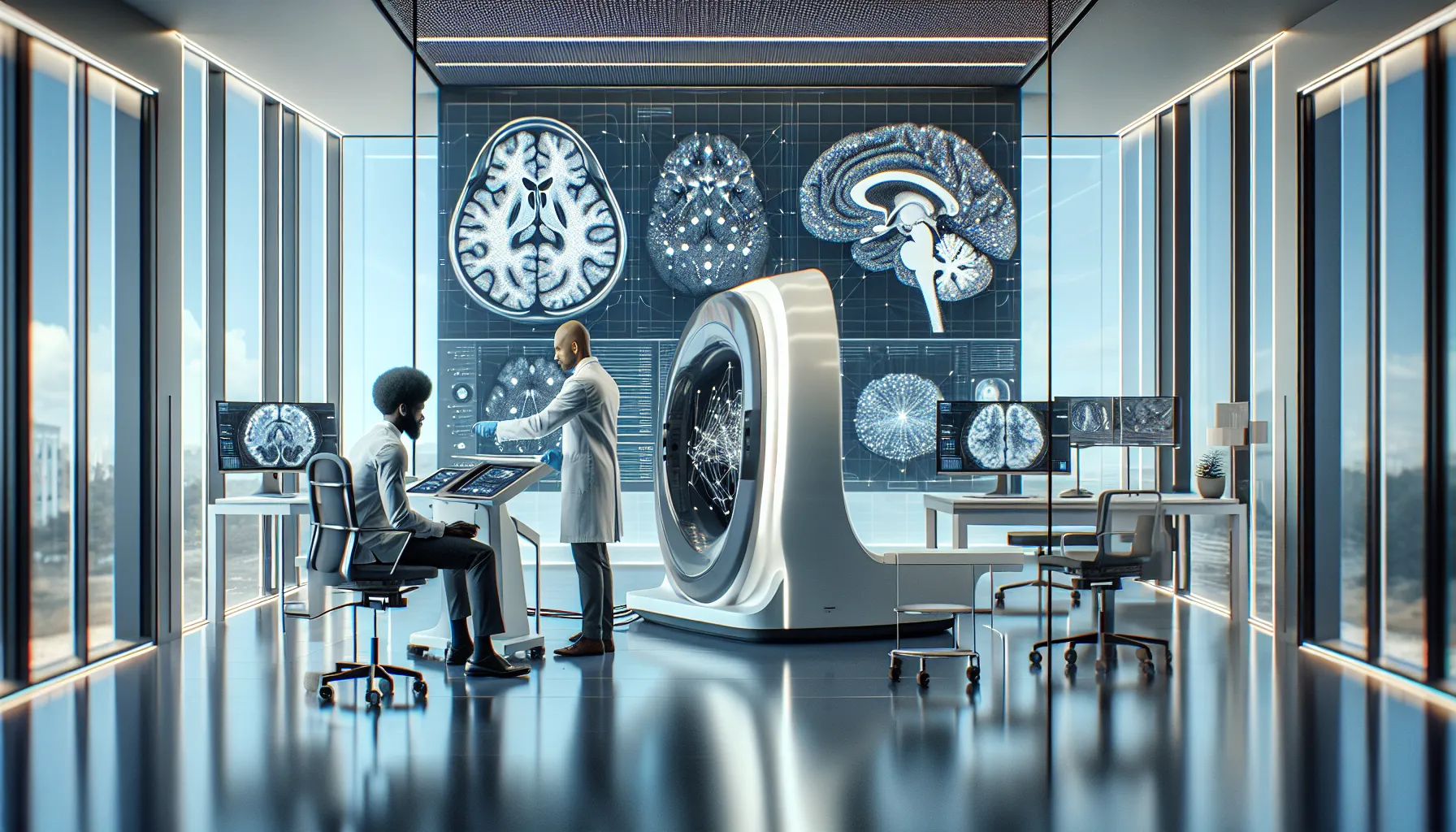
What’s next in the realm of ficulitotemporal studies? Researchers are exploring innovative methodologies, including neuroimaging techniques that provide deeper insights into brain activity related to these cognitive processes. Interdisciplinary approaches are becoming increasingly popular, bridging gaps between cognitive science, psychology, and technology. As we embrace advancements like artificial intelligence, we may find that ficulitotemporal understanding enhances how machines interpret human behavior. The possibilities are thrilling, and the intersection of technology with cognitive science holds great promise for the future.